Home
Waste Not, Want Not (WiN-WiN) Kentucky
The Waste Not, Want Not (WiN-WiN) program at the University of Kentucky is a community-driven initiative designed to tackle the dual challenges of food insecurity and food waste in Kentucky. By recovering surplus food from farms, home gardeners, and food producers and redirecting it to those in need, the project promotes sustainable solutions that benefit both people and the environment. Through partnerships, education, and training, WiN-WiN empowers non-profit community organizations that feed individuals to reduce food loss and waste while fostering healthier, more resilient communities.
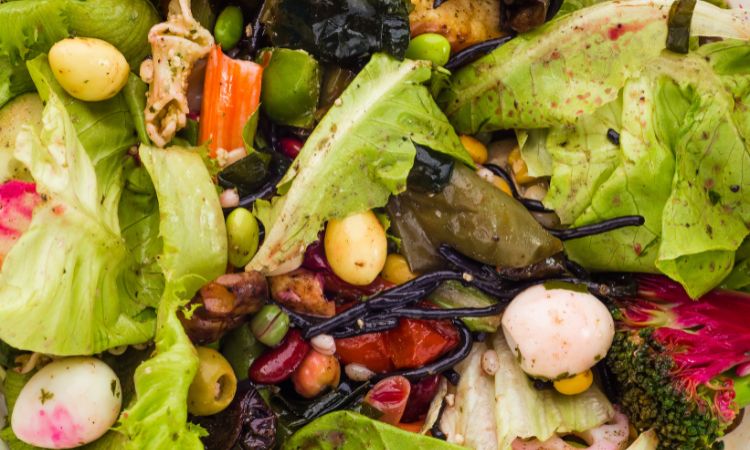
133 Billion
Approximately 133 billion pounds of food is wasted each year in the United States.

1 in 5
In Kentucky, 1 in 5 children and 1 in 6 adults experience food insecurity.
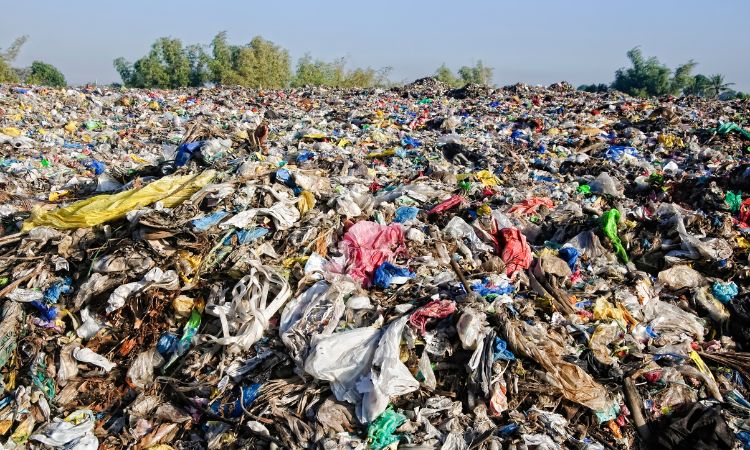
6%
Only 6% of the 40 million pounds of food wasted in Kentucky each year is diverted from landfills.
Programs & Partners
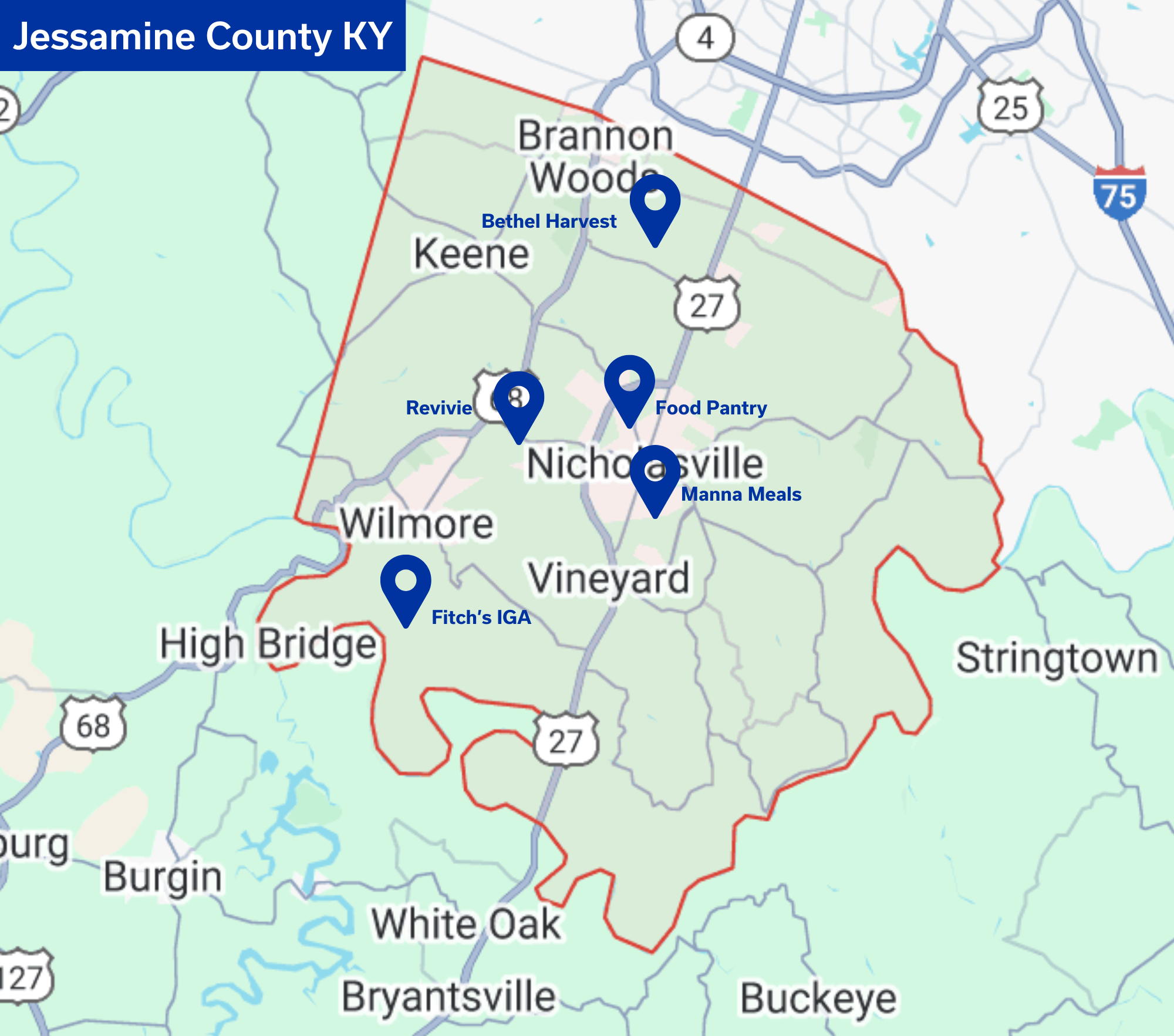
Learn more about our partner organizations in Jessamine County.
Learn more about our PartnersPreventing Food Loss Waste
Access resources, information, and educational tools about Food Loss Waste (FLW).
Learn more about Preventing WasteHow to Get Involved
Find ways to get involved by donating produce or helping to transport it.
Learn more about How to Get Involved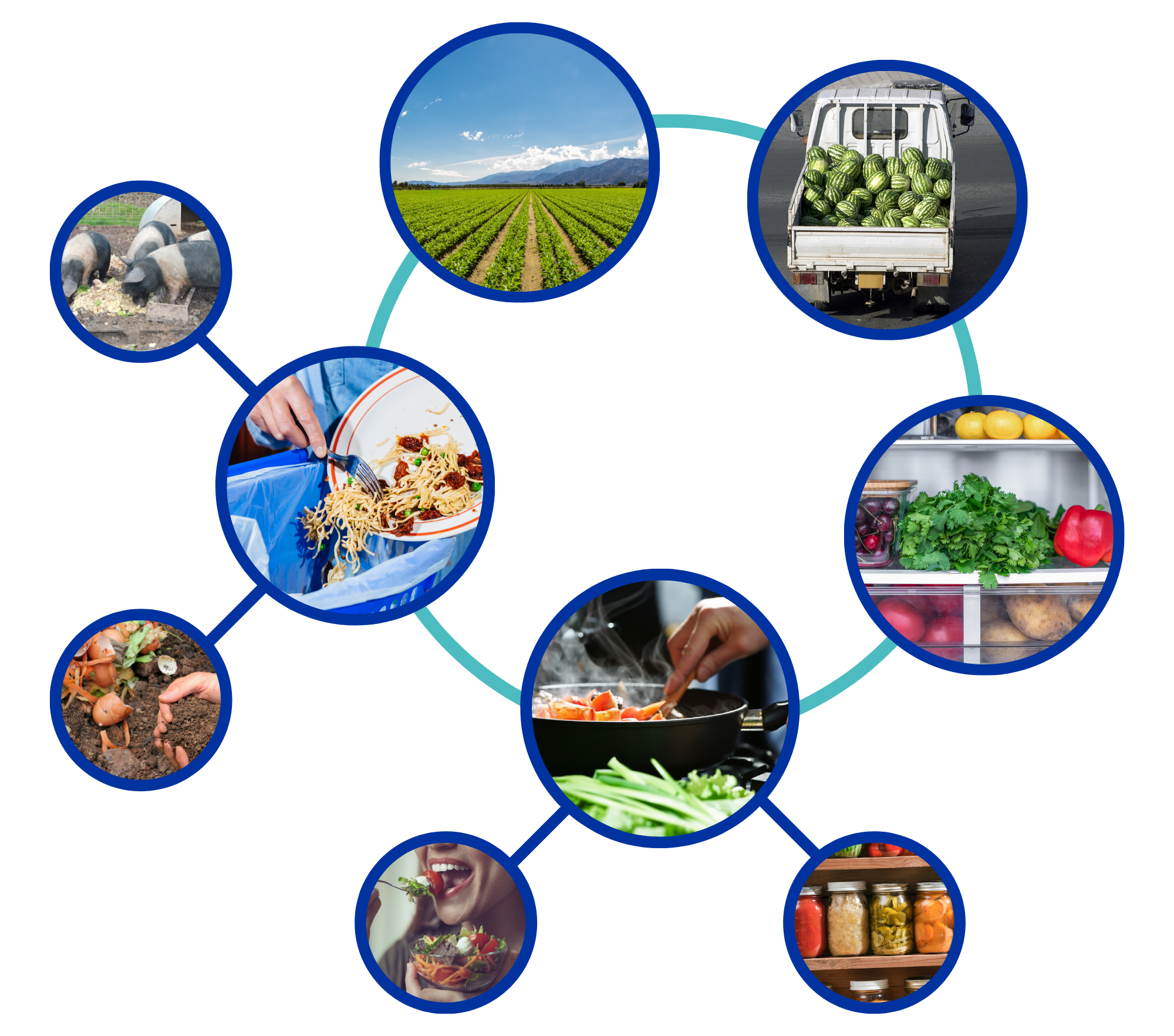
Food is grown on a farm → transported → stored before use → prepared for either consumption or long-term storage → scrapped for compost or animal feed
The Local Food Recovery System
This image illustrates the local food recovery system, highlighting key stages from farm to table and beyond. At each step in the cycle, from harvesting on farms, transporting and storing food, preparing meals in kitchens, to eventual consumption and composting, there are critical opportunities to reduce food loss and waste. Whether it’s minimizing surplus at the farm, improving storage to prevent spoilage, using creative meal preparation techniques to reduce scraps, or ensuring leftovers are properly managed, small actions at each stage can make a big impact. By recognizing and addressing these points, we can create a more efficient, sustainable food system that nourishes communities while reducing environmental impact.
Map of Operations
This material is based upon work that is supported by the National Institute of Food and Agriculture, U.S. Department of Agriculture, under award number 2023-38640-39572 through the Sustainable Agriculture Research and Education program under subaward number FLW24-011. USDA is an equal opportunity employer and service provider.
Connect With Us
209 A1 Funkhouser Building
Lexington, KY 40506
win.win@uky.edu

Program Director
Dawn Brewer, PhD, RD, LD
dawn.brewer@uky.edu


Department Chair
Tammy Stephenson, PhD, FAND
tammy.stephenson@uky.edu